Let me introduce you to Jupiter — my almost 7-year-old kitty-boy, my soul-cat, and the reason this entire nutrition section of the blog exists.
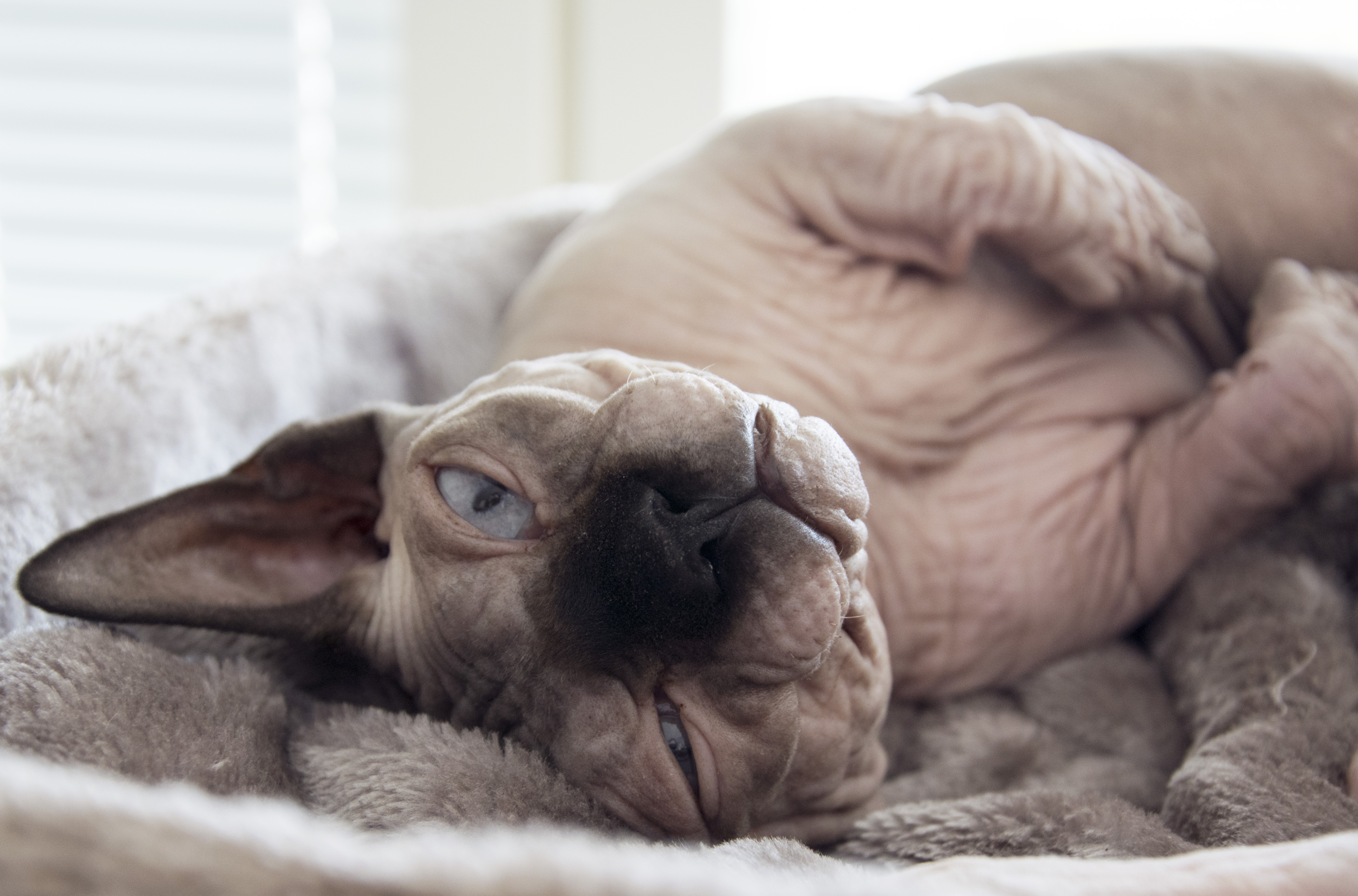
Jupiter has always been out there with his personality: chatty, playful like a little kitten despite approaching his senior years, and an enthusiastic fetcher who will bring his toy back to you and chirp at you demanding you throw it again. He follows me everywhere, talks to me constantly, demands food, attention, treats, and has made it his personal mission to sit directly outside the bathroom door every single time I shower — just in case I need supervision, or slip and fall and need someone to call 112 (emergency number in the EU) — Jupiter is convinced you don’t need thumbs for that! To be fair, he has almost unlocked my phone multiple times, so that theory is not that far fetched. He is stubborn, demanding, gentle, and deeply sensitive to stress in equal measure.
But perhaps his most defining characteristic was his relationship with food: Jupiter was a vacuum in cat form. Dry food, wet food, raw food, snacks — he ate everything without discrimination and without ever getting sick. In almost six years of life, he had never had a single health issue.
Which is why, when I booked him in for a routine dental cleaning in December 2024, I wasn’t worried at all. It was just a cleaning on a random Tuesday. Just Jupiter being a responsible cat with good dental hygiene to win over Hollywood. Sure, I would be slightly worried, as I always am about anesthesia — but deep down I know all will be well.
However… it was not just a random Tuesday.
During the cleaning, the vet discovered TR — tooth resorption. For those unfamiliar, TR is actually relatively common in cats, usually appearing in cats who are five years of age and older, and often with no obvious symptoms beforehand. Jupiter was five and a half at the time, so the age checked out. What definitely didn’t check out was everything that followed.
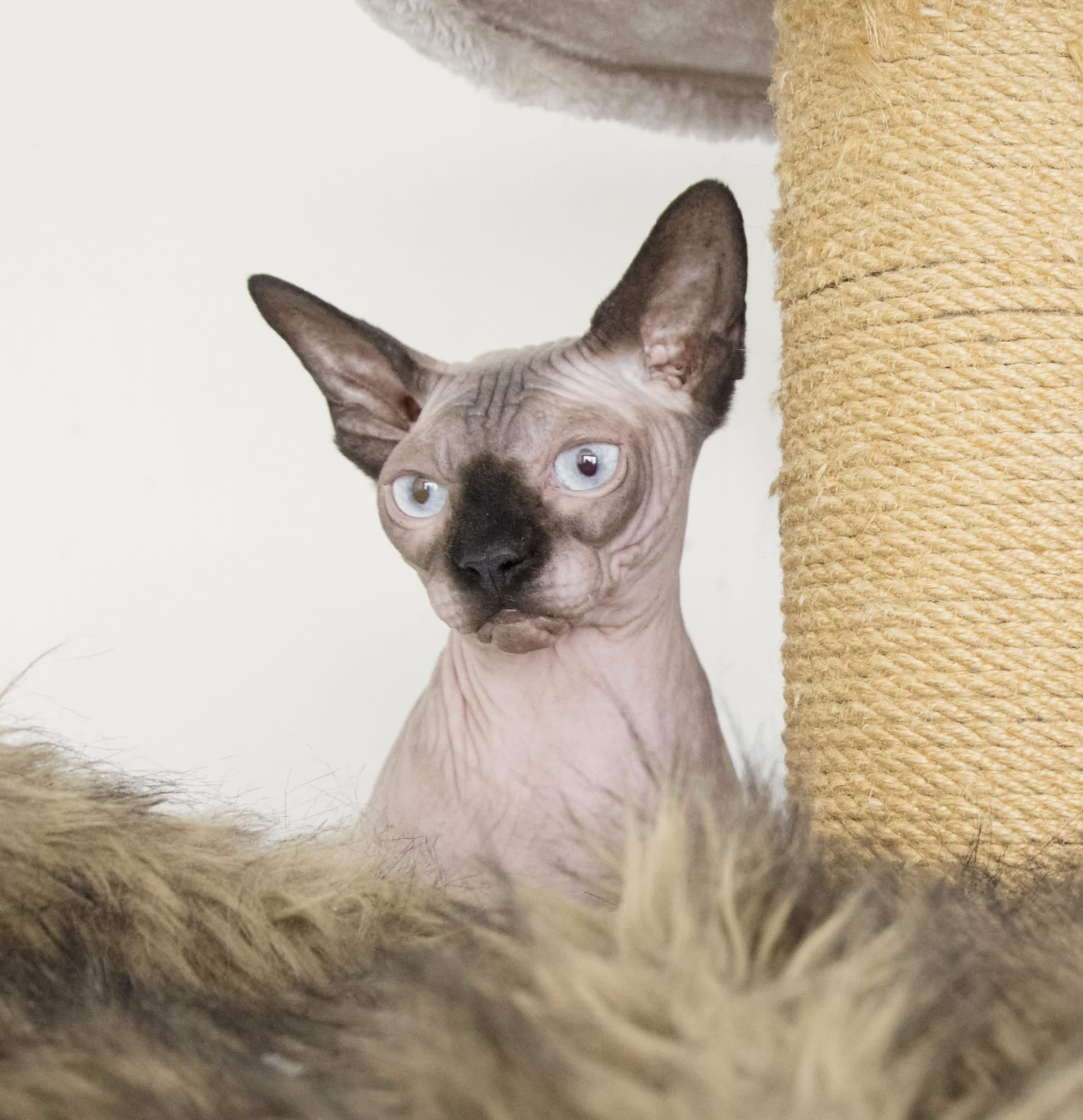
The cleaning was in the beginning of December. The surgery — necessary to address the TR — happened right after Christmas. Two procedures under general anesthesia within three weeks. The vet performing the surgery had claimed dental care was one of her particular interests and areas of expertise. I had no reason to doubt her. Right?..
And yet, I had every reason to doubt her.
After the surgery was completed, most of the stitches came out on their own within days (they weren’t supposed to!) despite Jupiter eating soft pate-food. Because of that, Jupiter developed an infection. Multiple rounds of antibiotics followed. And when I reviewed the original post-surgery documentation, there was not a single mention of whether a second set of x-rays had been taken after the procedure — which, for anyone unfamiliar with TR removal, is not a minor detail! A post-surgery x-ray is a mandatory step in any ethical TR procedure; it’s how you verify that all affected teeth and roots have been fully removed. Its absence from the documentation wasn’t just questionable record-keeping — it was alarming.
It took sending a formal legal notice a few months later to receive most of the full documentation. Only then did the vet confirm and provide the second set of x-rays. They existed, they just hadn’t been mentioned anywhere, because apparently, as a cat owner, I didn’t need to know.
Apparently cat owners aren’t meant to ask too many questions. I, unfortunately, did not get that memo — and I am not planning to.
And then there was the stitches removal (whatever stitches were still left) that still haunts me. We were told it would take 40-60 minutes under general anesthesia, so my friend and I dropped Jupiter off and went for coffee. Fifteen minutes later, my phone rang. The clinic, sounding cheerful and upbeat, informed us that they hadn’t needed to put Jupiter under after all — he had been “so calm and cooperative” that they’d simply removed the stitches without anesthesia.
My heart sank. As his owner, I knew Jupiter was not calm. Jupiter was not cooperative.
Jupiter’s fear response is to freeze. When he feels he cannot escape, he goes completely still; so, what they interpreted as a relaxed, compliant cat was a terrified animal in a freeze response. They removed stitches from his mouth wounds while he was conscious and rigid with fear, called it a success, and rang me to share the good news.
I still think about that phone call.

Afterwards, Jupiter was stuck in an exhausting cycle — vomiting for a week, then fine for two to three weeks, then vomiting again. Rinse, repeat. It was unpredictable and it was worrying. So I did what any responsible cat owner would do: I took him to a different vet, described everything that had happened, and asked them to run tests to rule out anything serious, such as blockages, stomach wounds, etc., anything that might explain what was going on. I already had a strong suspicion about the cause, but I wanted to be sure.
The tests came back largely normal. Everything within range, except for one thing: slightly elevated eosinophils — a type of white blood cell that can indicate allergies, but also parasites, infections, inflammation, or simple stress. Based on this single data point, and having completely disregarded Jupiter’s recent medical history of two surgeries, an infection, and multiple rounds of antibiotics, the vet delivered her verdict with complete confidence:
Food allergy.
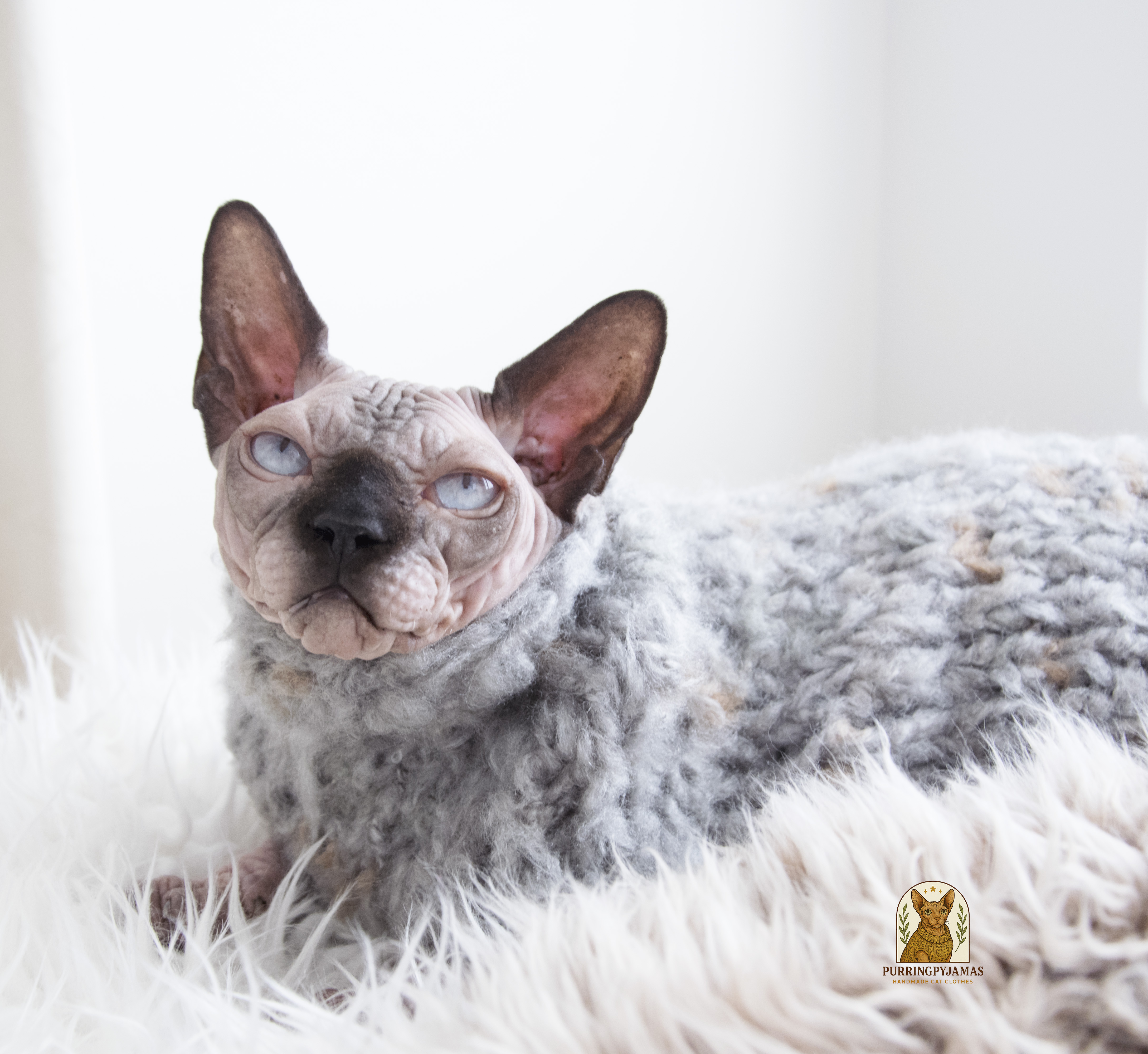
My eyebrows — while considerably less expressive than Emilia Clarke’s — still started doing some gymnastics. Food allergy? How? This cat had eaten everything without issues for five and a half years and had never once had a reaction to anything! But sure… Food allergy it is I guess. The vet was certain, one hundred percent. No further investigation needed for the time being at least. Food allergy, incidentally, would not typically present as “fine for three weeks, then vomiting for one”. But who was I to question the verdict, right?
The solution? A special prescription diet food and nothing else. When I asked about gut supplements to support his microbiome recovery, I was told the special food would fix everything. When I kept pushing and specifically asked about probiotics, the vet paused and said: “Well, I guess it may be helpful, if there are any probiotics available that are suitable for cats.”
There are many. There have been for years. But that’s a whole separate conversation about how little nutrition features in veterinary training.
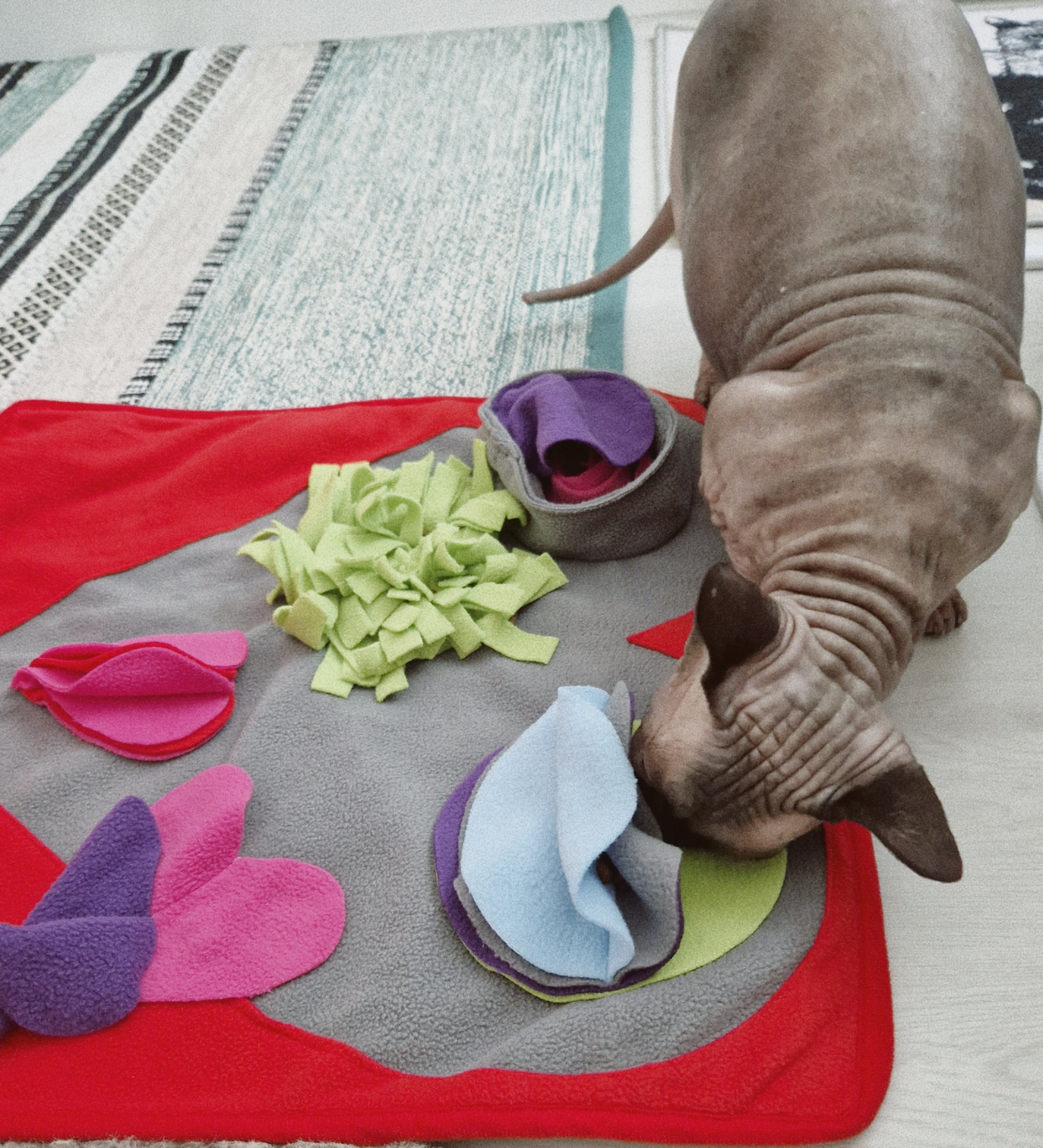
I paid my almost €500 bill. I was furious, frustrated, tired, questioning what had just happened there. Asking myself if I should follow through with the prescribed food, even though I knew in my bones it will not help. But somewhere deep down my desperation was whispering to give it a try: I knew that if I did not try out the vet’s recommendation, I would always ask myself “what if”, and maybe even blame myself if Jupiter stayed sick. So I went ahead and bought the food. And then I got home and looked at the documents properly.
Oh, and what did the official written diagnosis say? “Toistuva oksentelu sekä ripulointi, syy avoin.” Recurring vomiting and diarrhea — cause unknown. Let’s take a look at some document scans, shall we?

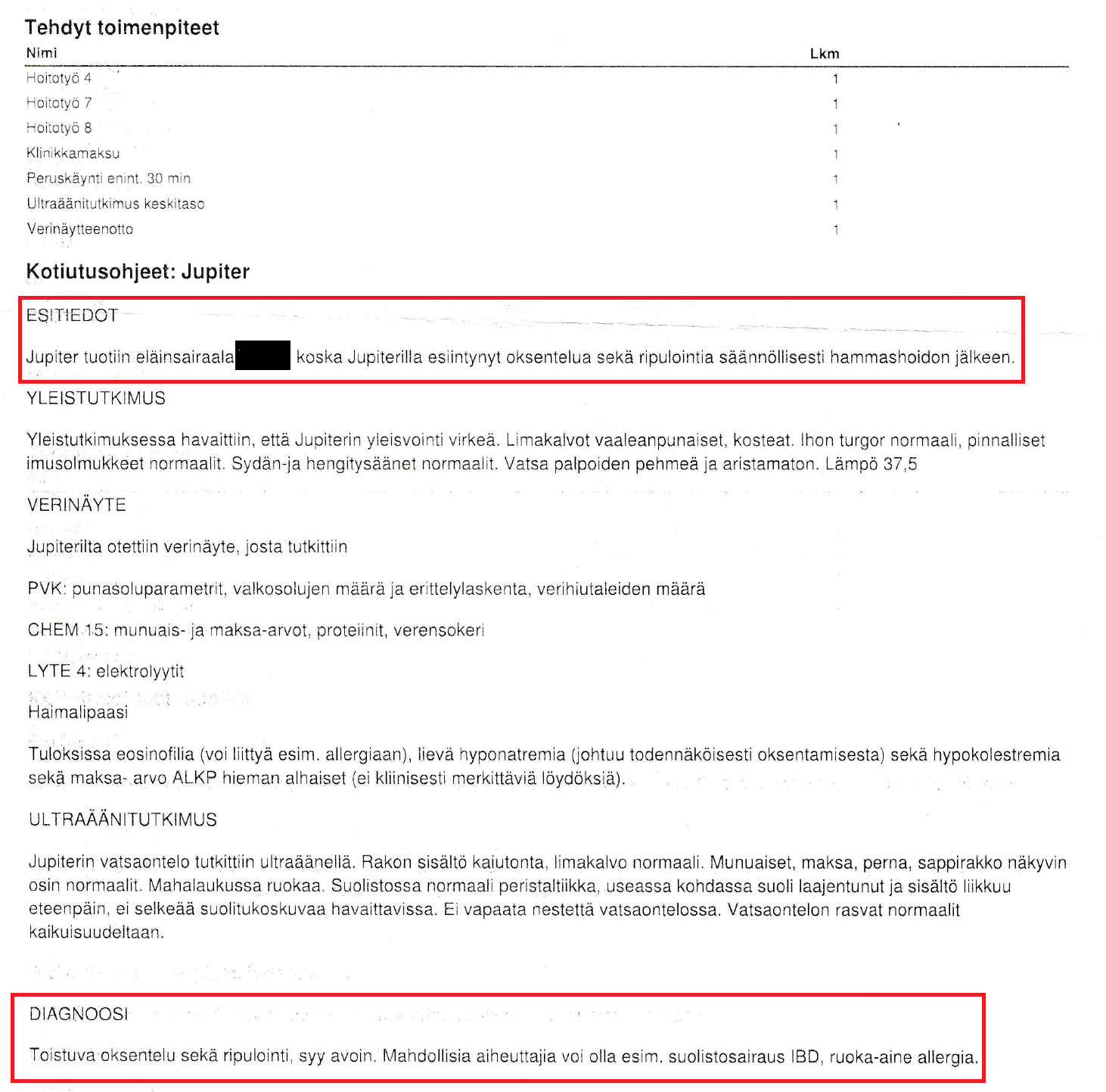
The presenting information (esitiedot) documented by the vet herself: “Jupiter was brought in because of recurring vomiting and diarrhea after dental care.” The dental connection was noted. And then promptly ignored.
The official written diagnosis: “Recurring vomiting and diarrhea, cause unknown. Possible causes could include, for example, intestinal disease IBD or food allergy.” Note the words “cause unknown” and “possible causes” — this is what was documented officially. What was communicated verbally was rather different.
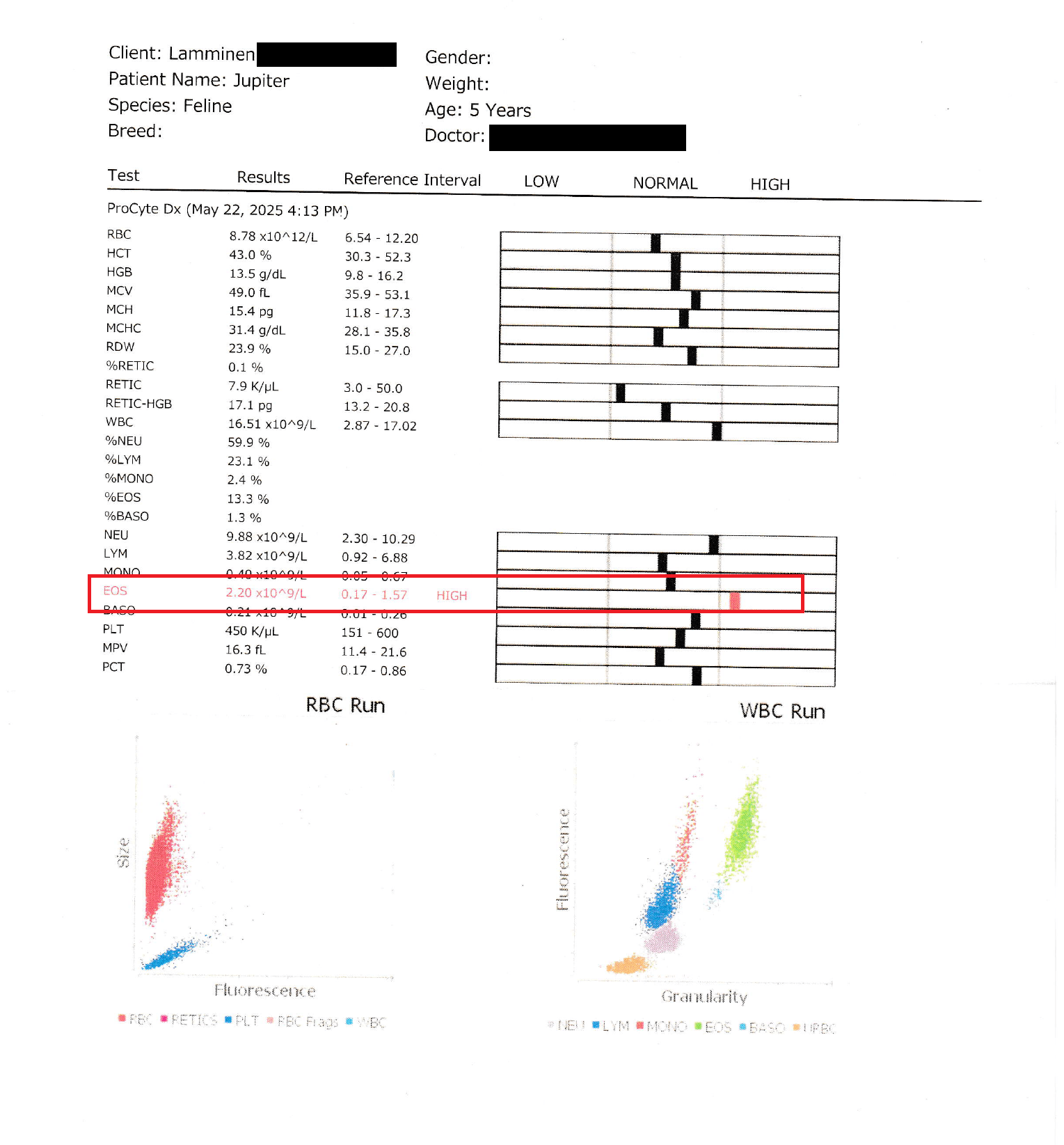
The one abnormal value in Jupiter’s bloodwork: slightly elevated eosinophils (EOS) at 2.20, reference range 0.17-1.57. Eosinophils can indicate allergies, but also parasites, infections, inflammation, stress, or simply nothing significant. This single data point, in a cat who had just been through two surgeries and multiple rounds of antibiotics, was the entire basis for the food allergy diagnosis.
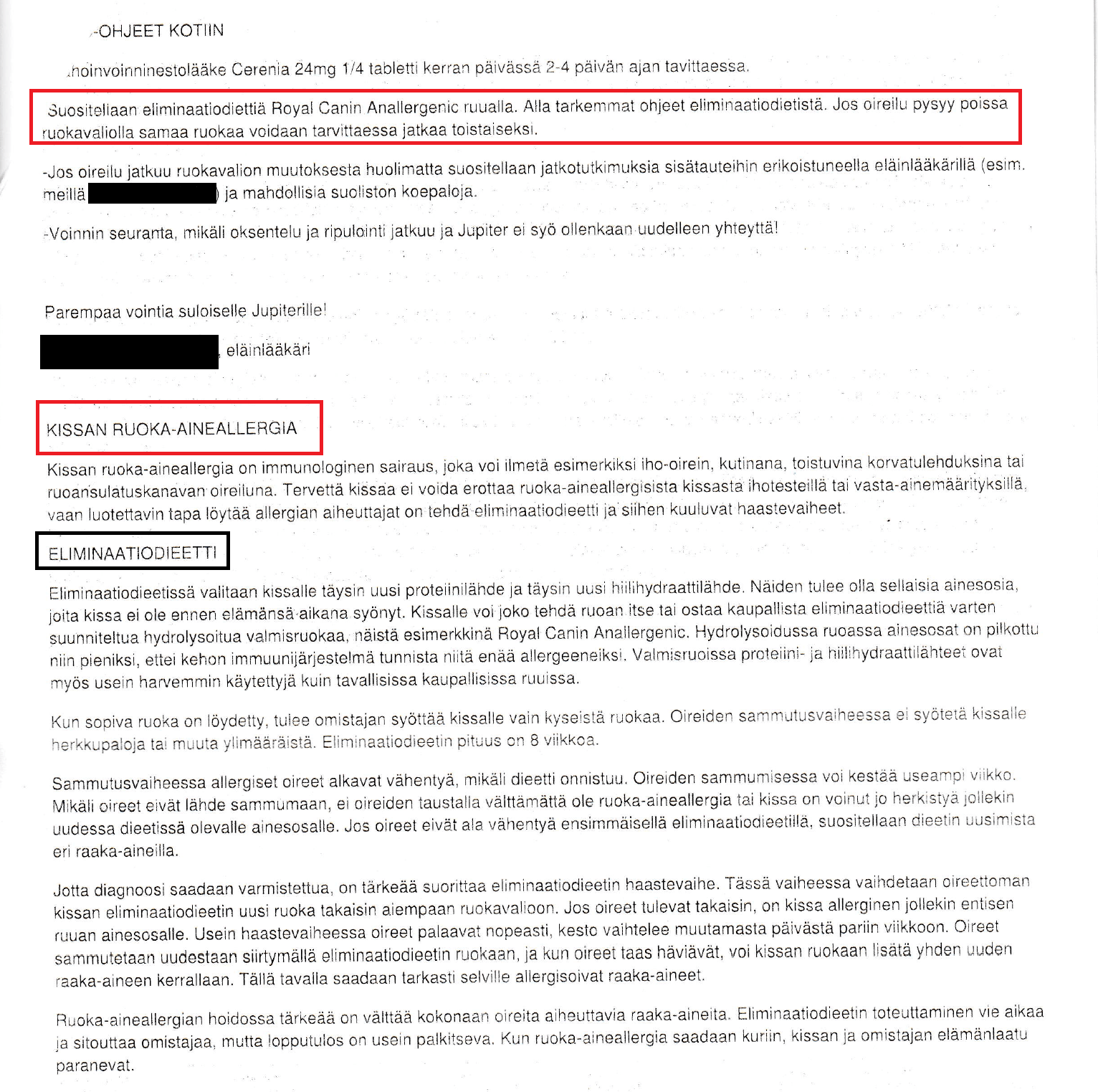
The home instructions sent with Jupiter — a full page essay on feline food allergy and elimination diets, including a recommendation for Royal Canin Anallergenic food. Notably absent: any mention of the recent surgeries, or the multiple rounds of antibiotics, or any gut microbiome support whatsoever. Oh, and there was also a prescription for Cerenia — an anti-nausea medication — which promptly made Jupiter vomit on the first dose, so it did not work either, unfortunately.
Within the same consultation notes prescribing the elimination diet, the vet added that if symptoms continued despite the diet change, the next recommended step would be a referral to an internal medicine specialist and possible intestinal biopsies.
Biopsies. Of what, exactly? His ultrasound had already come back clean. His bloodwork showed nothing conclusive. There was no mass, no visible abnormality, nothing pointing toward a specific area that would actually warrant cutting into my cat and taking tissue samples. The contingency plan for “the guessed diagnosis doesn’t pan out” wasn’t “reconsider whether the diagnosis was right in the first place” — it was more invasive testing, on a cat who’d already been through two surgeries and multiple rounds of antibiotics in the span of a few weeks.
To make it clear: elimination diets are a legitimate diagnostic tool for food allergies. If Jupiter genuinely had a food allergy, this would have been the right approach. But a proper food allergy diagnosis requires ruling out other causes first. Including, perhaps, the two surgeries and multiple rounds of antibiotics that were literally documented as the reason for the visit.
One slightly elevated eosinophil count in a stressed, post-surgical, post-antibiotic cat is not a food allergy diagnosis; it is only a data point that warrants further investigation.
Jupiter managed two servings of the Royal Canin before vomiting more violently than ever. Which, in hindsight, was his two braincells telling me what I already suspected. And that was the moment I knew that I was on my own.
By this point, the bill for Jupiter’s care had climbed to over €3,000 — when the original procedure, done correctly the first time, should have cost under €800. The difference wasn’t better care; it was the cascading consequences of botched stitches, an infection, repeated vet visits, and a €40 bag of food made mostly of corn and feathers that made everything worse.
And Jupiter was breaking my heart as he was not himself.

He was getting thin. He was quiet and slept a lot. He looked sad and defeated. The cat who was a ball of energy, who used to fetch toys, climb cat trees, demand belly tickles and talk to me constantly was no longer there.
And I was very angry.
I had the tests, I had the documentation, I had five and a half years of evidence that this cat had never reacted badly to food in his life. And there was a very clear timeline: healthy cat goes in for routine dental cleaning, gets two surgeries under anesthesia, develops infection, receives multiple rounds of antibiotics, gut microbiome gets destroyed, cat starts vomiting in cycles. The dots were not difficult to connect, but for one reason or another the vets would just not connect them.
So I had to connect them myself.
I started researching, aggressively — reading studies, joining forums, cross-referencing everything I could find. If the vets weren’t going to help me, I was going to help myself and Jupiter. I felt I had no other options, and this situation — unless fixed — is going to cost my cat’s long-term health or even life.
It wasn’t a linear process: some things helped, some things were a fail from the get-go, some things I tried with optimism and abandoned after a week or two, because I realized they made no difference. But even if imperfectly, slowly, Jupiter was getting better. The vomiting cycles were becoming less frequent. He was getting some of his energy back. He started eating with more enthusiasm, and the sad, defeated cat was starting to look more like his old self.
It’s now been over a year since this all began, and I cannot remember the last time he was sick. His current routine works, for now. Will he ever go back to being the vacuum in cat form who ate everything without a second thought? Honestly, I don’t know. These things are often long processes, and some cats never fully return to their original baseline, especially as they get older. Jupiter is almost seven now (celebrating his birthday in 2 months!), and his relationship with food has changed dramatically. He is a lot pickier and more sensitive than he used to be, and I have made peace with that.
What matters is that he can eat. He is back to his playful fun self.
One step at a time, and right now hoping that this step is a good one; onwards and forwards — keeping my toes and fingers crossed here!
Something I’ve noticed during all of this research, was one thing kept coming up again and again: the effect of antibiotics on the gut microbiome. The more I read, the more I realized that what had happened to Jupiter wasn’t mysterious or unpredictable — it was documented, and well researched, — just apparently not by the vets I had visited. We know what antibiotics can do to people, but why that knowledge isn’t often applied to our furry companions is still a mystery to me. That’s exactly what next week’s post will be about: supporting your cat’s gut after a course of antibiotics!
I also realized I wanted to go deeper into all of these topics. Nutrition had always interested me — I had always been picky about what Jupiter ate, always tried to feed him well, but this experience pushed me beyond casual interest of “hey, wait, what’s the meat percentage in that kibble?”. I didn’t just want to know what to feed my cat — I wanted to understand why. The science behind it, the research… All of it.
During this whole Jupiter ordeal, I could not shake off the thought: I cannot be the only one. I cannot be the only cat owner who got dismissed like this, who was left to figure it out alone, who spent thousands of euros on botched procedures and corn and feathers food while vets shrugged and moved on with their day. There have to be others sitting at their computers scared for their cat, researching, experimenting, trying, failing, succeeding.
So I made a decision: I was going to study feline nutrition properly — not a weekend online course with a certificate nobody has heard of, but proper academic courses from internationally accredited institutions. It will take years alongside my full time job and my social work degree I am currently studying, but every time I learn something new that I wish someone had told me during Jupiter’s worst weeks, I remember exactly why I started.
This nutrition section of the blog is part of that. If I can save even one cat owner from feeling as lost and dismissed as I did, that feels worth it.
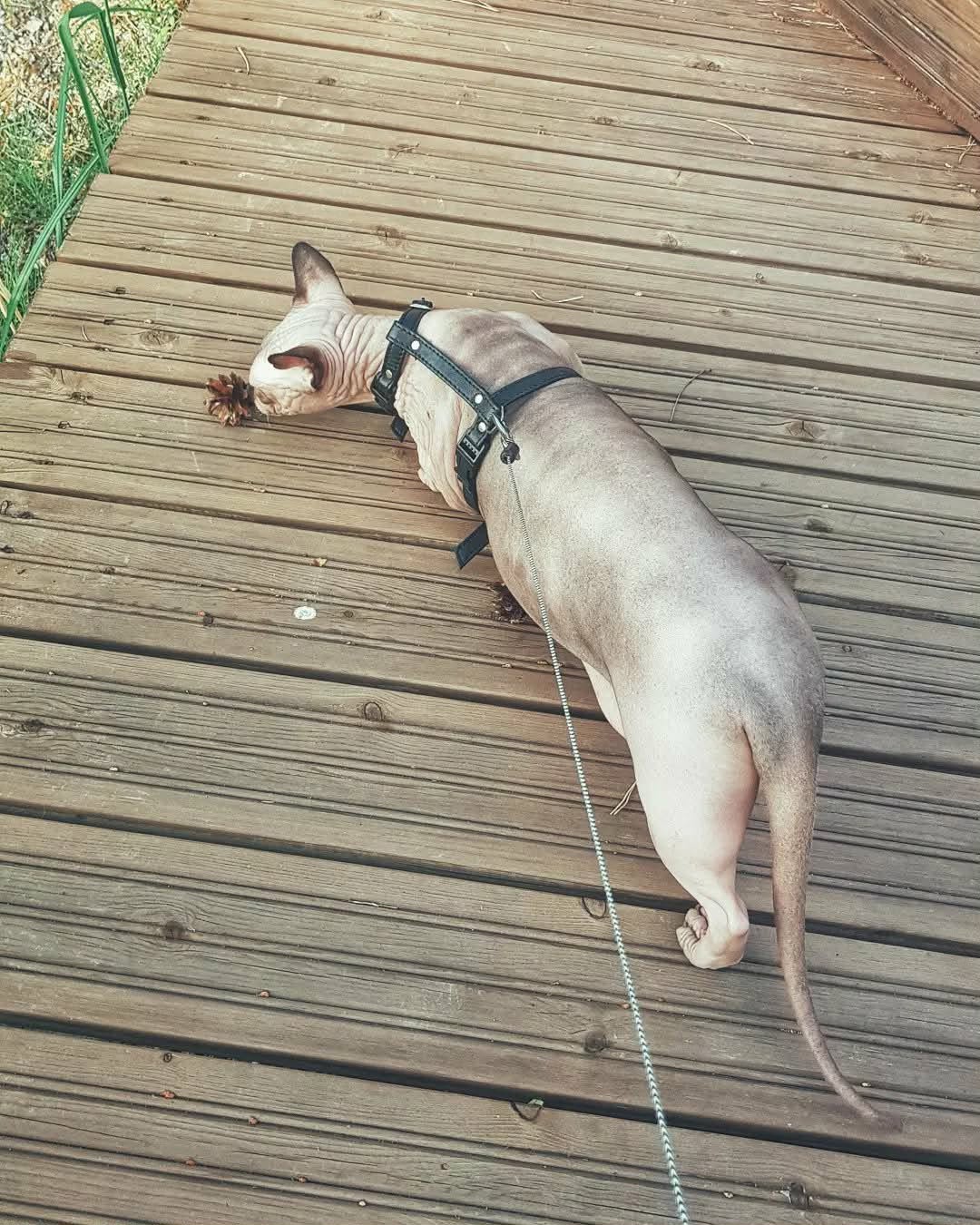
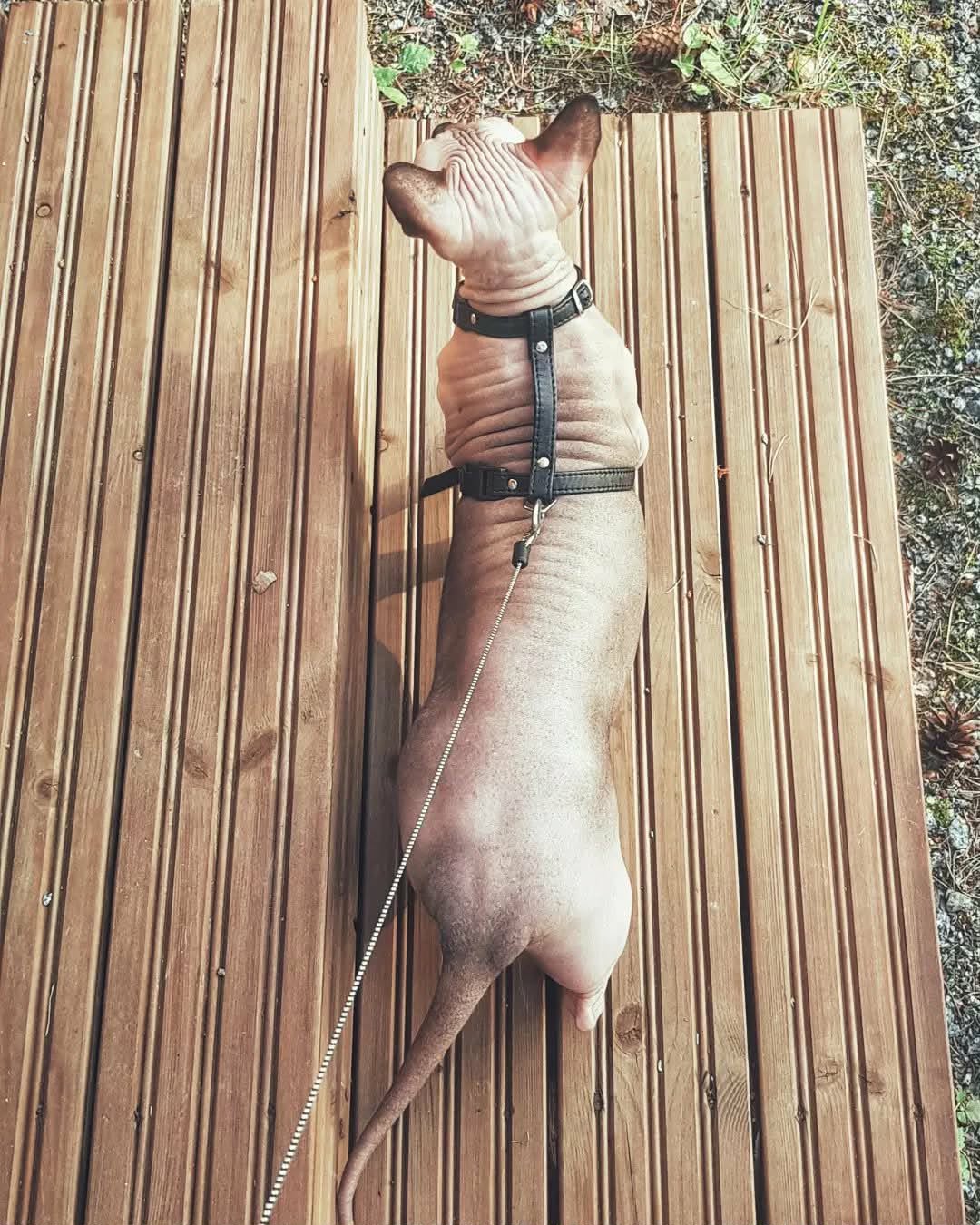
If you’ve made it to the end of this post — thank you for reading! Jupiter’s story is not a fun one to tell (this post took me almost two months to write), but it’s one I think needed to be told, because I genuinely believe I am not the only one who has been through something like this.
Have you ever been dismissed by a vet? Have you ever been left to figure things out alone, armed with nothing but a €40 bag of questionable food and a desperate Google search in the middle of the night? Have you ever known in your gut that something was wrong with your cat, only to be told you were mistaken?
If so — you are not alone. And you are not crazy! Because I surely was made to feel like I was “crazy” and “difficult” during this whole ordeal.
I want to be clear: not all vets are like the ones in Jupiter’s story. I have experienced wonderful veterinary care — thorough, compassionate, transparent care that gave me peace of mind and Jupiter the treatment he deserved. Good vets absolutely exist, and when you find one, they are worth their weight in gold! The problem isn’t the profession — it’s that poor experiences happen more often than they should, and cat owners are often reluctant to speak up, ask questions, or question when something doesn’t feel right.
You are allowed to ask questions. You are allowed to request documentation. You are allowed to seek a second opinion. Your vet should welcome all of the above; and if they don’t, that itself tells you something important.
I’m planning a dedicated post on how to advocate for your pet at the vet, because having experienced both the best and worst of veterinary care, I have a few things to say on the subject!

This blog, and the nutrition section within it, exists partly because of Jupiter, partly because of my own stubborn need to figure things out and partly because of every cat owner who has ever felt lost, dismissed, not given the information they needed to help their pet. Remember: at the end of the day, nobody knows your cat better than you do. I don’t have all the answers, I am still learning, one course at a time, but I will share what I find along the way.
Because nobody should have to figure this out alone!
— Asta